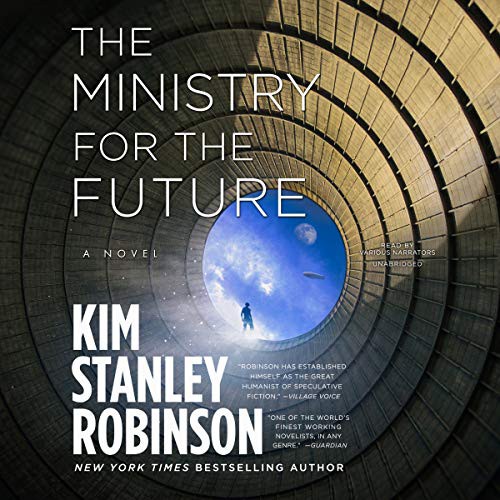
Todella monen asian pitää muuttua, jos aiomme elää tällä planeetalla vielä tulevinakin vuosisatoina. Valtaosa kirjojen ja elokuvien tulevaisuusvisioista tuntuu kuitenkin olevan dystopioita, kuvauksia siitä millaista helvettiä elämä Maa-planeetalla on, kun kaikki on mennyt pieleen. Muutamalla seuraaville vuosikymmenille lähitulevaisuuteen sijoittuva Kim Stanley Robinsonin The Ministry for the Future kuitenkin esittää uskottavan, vaikkakin monelta osin silmiinpistävän optimistisen vision siitä, miten kaikenkattava ekokriisi on saatu Maa-planeetalla kuitenkin jonkinlaiseen hallintaan. Robinsonin visiosta kiinnostavan tekee se, että se ei ole vain kaunokirjallista kuvitelmaa, vaan perustuu ihan todellisiin haasteisiin ja ratkaisuihin, ja monet kirjan luvuista ovatkin luonteeltaan pikemminkin tieteellisiä esseitä kuin varsinaista kertomakirjallisuutta.
Kirjan tulevaisuuskuva ei kuitenkaan ole paratiisimainen utopia. Maa siinä vaiheessa, kun ilmakehän hiilidioksidimäärä on saatu laskuun, ei ole enää aivan sama planeetta kuin se oli vielä ennen ilmastokriisiä, ja työn planeetan hengissäpitämiseksi kuvataan jatkuvan vielä tulevillekin vuosisadoille vaikka hiilidioksidiongelma kirjassa on saatukin pois päällimmäisistä huolenaiheista.
Robinson ei pyri hahmottelemaan paluuta meneen ajan tasapainoon, vaan pohtii pikemmin sitä, miten täällä eletään kun on täysimittaisesti siirrytty antroposeenin aikaan, ja ihmiskunta ryhtynyt tosissaan kantamaan vastuuta aiheuttamastaan muutoksesta ja planeetan tulevaisuudesta. Kirja valaa kuitenkin uskoa siihen, että tämä ihmiskunnan massiivisin haaste on selätettävissä, kunhan vaan siihen yhdessä ryhdymme. Robinsonille Maa-planeetan elämänlanka on Parisiin ilmastosopimus: siihen tulee tarttua juuri sellaisena historiallisena käännekohtana, kuin millaisena sitä melkein kymmenen vuotta sitten juhlittiin
Kirja sisältää valtavasti tietoa - siis aivan todellista tietoa, ei vain kuvitelmia tulevaisuudesta. Siihen voi hyvin suhtautua myös eräänlaisena ilmastoratkaisuiden oppikirjana. Mitä kaikkea onkaan otettava huomioon?
Robinson ei anna ihmiskunnalle mitenkään kevyttä tehtävälistaa. Paitsi että Pariisin henki pitää institutionalisoida globaalia muutosta johtavaksi "tulevaisuusministeriöksi", ihmiskunnan henkiseen muutokseen tarvitaan vielä paljon muutakin. Emme varmaankaan herää ennen kuin olemme kokeneet kunnon katastrofin. Eikä varmaankaan tuhoisia tapoja ja toimintamalleja saada loppumaan ilman, että jostain nousee sellaista aktivismia, jonka rinnalla Elonkapinakin vaikuttaa ompelukerholta. Planeetalle aiheutettu vahinko on myös jo niin suurta, että tuskin selviämme ilman massiivista ilmastonmuokkausta: sulaneen Arktiksen värjäämistä auringonvaloa heijastavaksi keltaiseksi ja öljynporausinfran käyttöönottoa sulavien ja mereen luisuvien Antarktiksen jäätiköiden pysäyttämiseksi. Talouskin pitää mullistaa: tulee luoda taloudellinen insentiivi hiilen varastoinnille, tehdä rahajärjestelmän tasolla kestävästä toiminnasta kannattavaa ja kestämättömästä tappiollista.
Robinsonin visioima muutaman vuosikymmenen päässä oleva Maa-planeetta on kuitenkin yllättävän samankaltainen kuin nykyinenkin maailma, ehkä vain vähän verkkaisempi, reilumpi - ja varmaankin mukavampi. Mantereiden välillä ei enää liikuta lentokoneilla, vaan ilmalaivoilla, ja rahtilaivojenkin vauhti on hidastunut, kun ne on automatisoitu ja konvertoitu aurinko- ja tuulivoimalla liikkuviksi. Kyllä tällaista tulevaisuutta kannattaa tavoitella.
Ja kyllä Robinsonin kuvaus tähän tulevaisuuteen tarvittavista toimistakin on uskottava. Jotain tämän kaltaista, vaikkakaan ei varmasti juuri tätä, taatusti tarvitaan. Työtä on monella rintamalla: talouden, lakien ja instituutioiden tasolla täytyy tehdä muutoksia, mutta tarvitaan myös aktivismia - ja voi olla, että osa siitä on sellaista mikä tapahtuu varjoissa, hämärässä ja lain nurjalla puolella. Koko sivilisaation tulevaisuudesta kuitenkin on kyse.