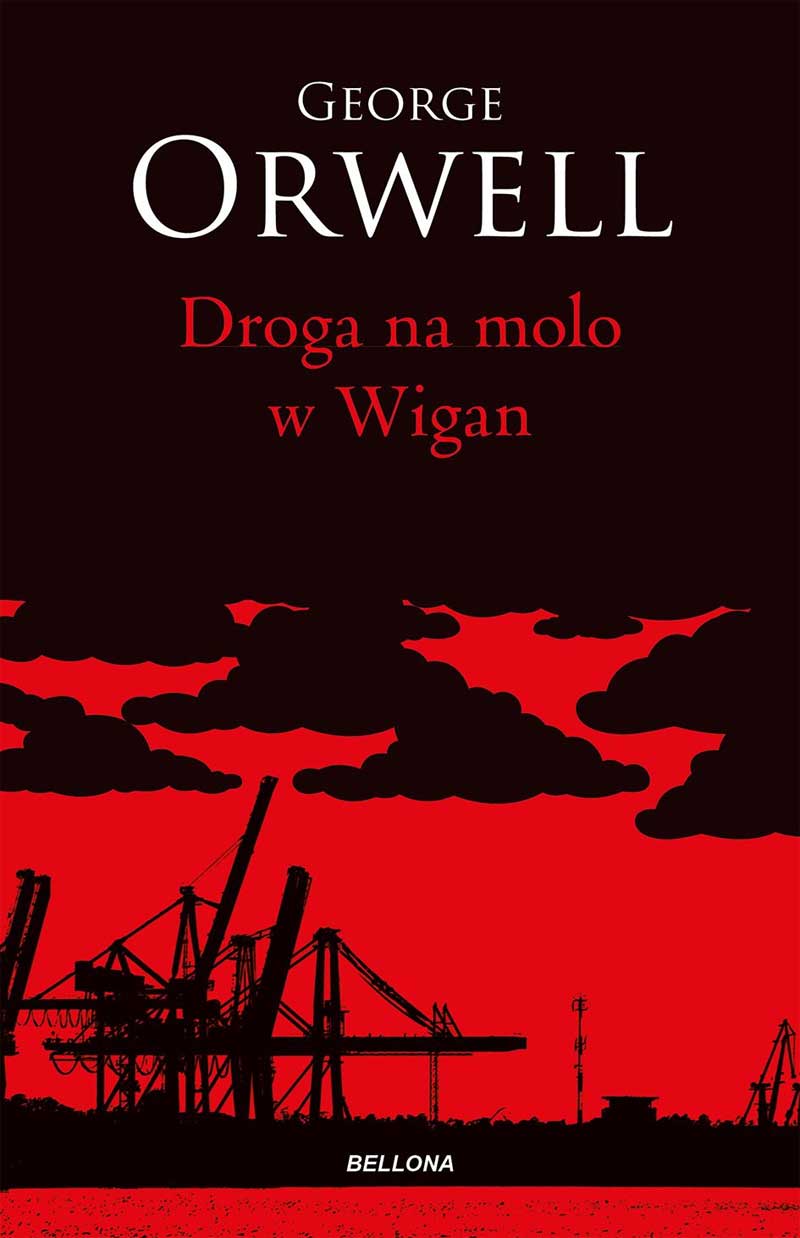

matthewmincher@bookwyrm.social reseñó The road to Wigan Pier. de George Orwell (Complete works of George Orwell -- v. 5)
Disjointed but prescient
4,0 stars
This was weird, it almost felt like three books.
I quite enjoyed the initial description of working class life with a focus of the life of a coal miner.
Next was a bit of an unanchored essay on socialism which I struggled with a bit. I started to become word blind to proleteriat and bourgeoisie - seriously it felt like every other word at some point.
This mellowed a little into the next section which looked ahead more, applied comparisons to the different ways a population is controlled and called out that many people who do not consider themselves working class in the "modern" day, really are.
I loved the section on the mechanisation of the world, it was interesting to look at his comments on how eventually event art and "refined" passtimes would become mechanised, leaving nothing. There is nothing humans do that would not …
This was weird, it almost felt like three books.
I quite enjoyed the initial description of working class life with a focus of the life of a coal miner.
Next was a bit of an unanchored essay on socialism which I struggled with a bit. I started to become word blind to proleteriat and bourgeoisie - seriously it felt like every other word at some point.
This mellowed a little into the next section which looked ahead more, applied comparisons to the different ways a population is controlled and called out that many people who do not consider themselves working class in the "modern" day, really are.
I loved the section on the mechanisation of the world, it was interesting to look at his comments on how eventually event art and "refined" passtimes would become mechanised, leaving nothing. There is nothing humans do that would not be considered work by someone, and therefore will be automated away. This feels very apt at the moment with generative AI.
He calls attention to the fallacy of being able to choose to do things "the old fashioned way" in the ideal eventual utopia - when was the last time you rode a horse to London, or ate without modern cutlery?
Also interesting was the descriptions of how classes of people are set against each other with deeply rooted biases. It doesn't matter that the working class are uneducated or dress badly. It's easy to see how you could change that. No, what matters is that they smell and are dirty. Something you see echoed these days in other conflicts.
He also calls for awareness of the regression to British fascism which will feature lions and unicorns instead of swastikas and eagles. Fascists don't see themselves as an oppressor even with cudgel in hand - they see themselves as defenders of some idealised European culture.